

Chiropractic Care for Rotator Cuff Tear in Kansas City
Rotator cuff tendonitis develops over time as an acute injury becomes increasingly irritated.
The rotator cuff consists of 4 main small muscle groups that provide stability and improve the overall function of the shoulder. The muscles include the infraspinatus, teres minor, supraspinatus, and subscapularis. Each muscle or muscle groups have a different function with the shoulder. Rotator cuff tendonitis leads to abnormal shoulder movement and compensations that further create the dysfunction within the shoulder joint.
Symptoms of a rotator cuff tear
- Pain or inability to raise the arm
- Sharp pain with rotation of the affected shoulder
- Locking or catching sensations in the shoulder
- Referred pain to the front or outside of the affected arm
- Stiffness and a limited range of motion in the shoulder
- Instability and a feeling of weakness in the shoulder
- Lack of range of motion
- Popping or clicking sound in the shoulder
Treatment for rotator cuff tears & tendinitis
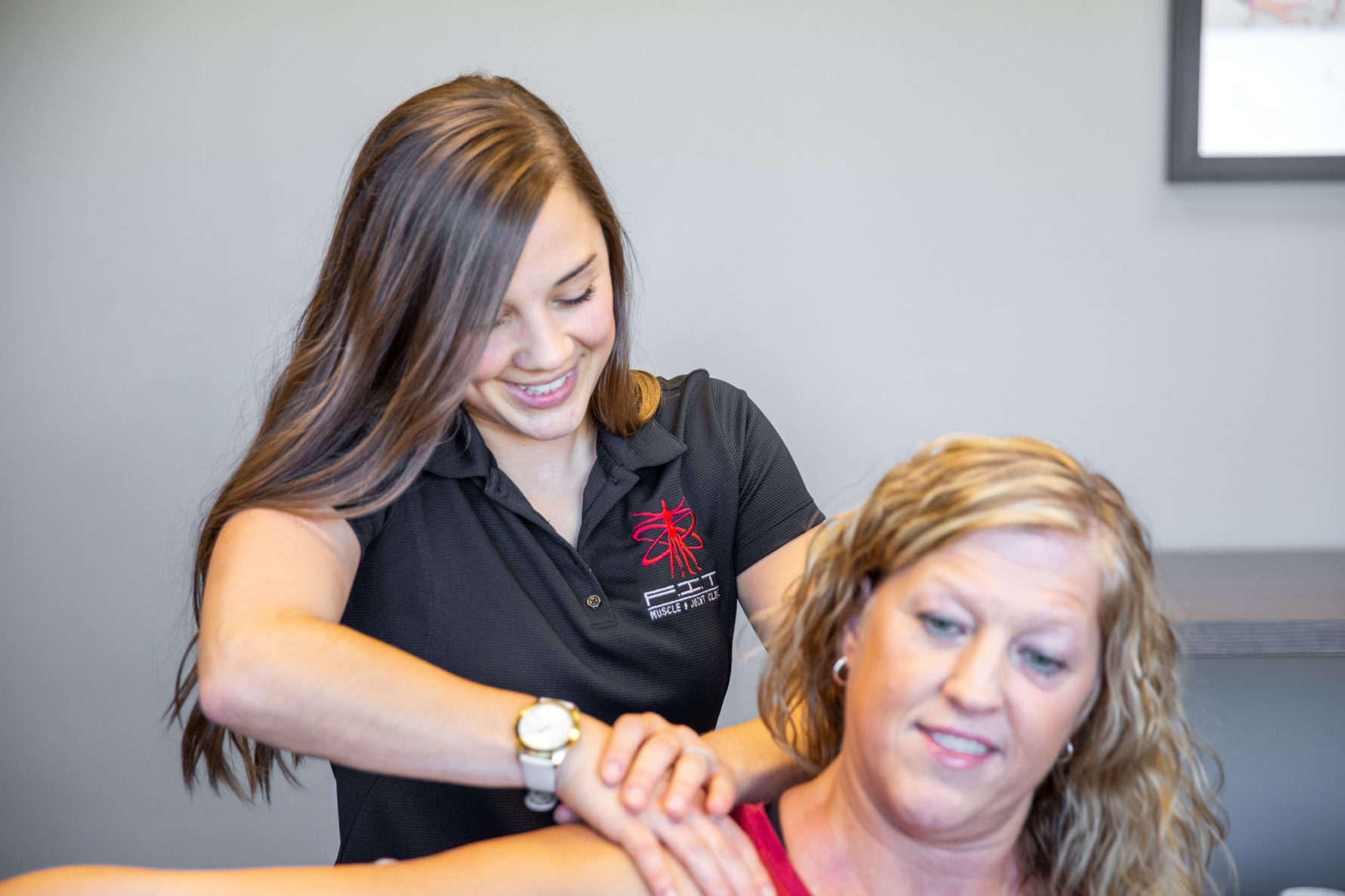
Looking for Chiropractic Care for Rotator Cuff Tear in Kansas City? Treatment for rotator cuff tears & tendinitis include soft tissue therapy to the surrounding area. Biomechanical correction of joint movements and proper strengthening of the rotator cuff is necessary to improve function.
Our treatment process
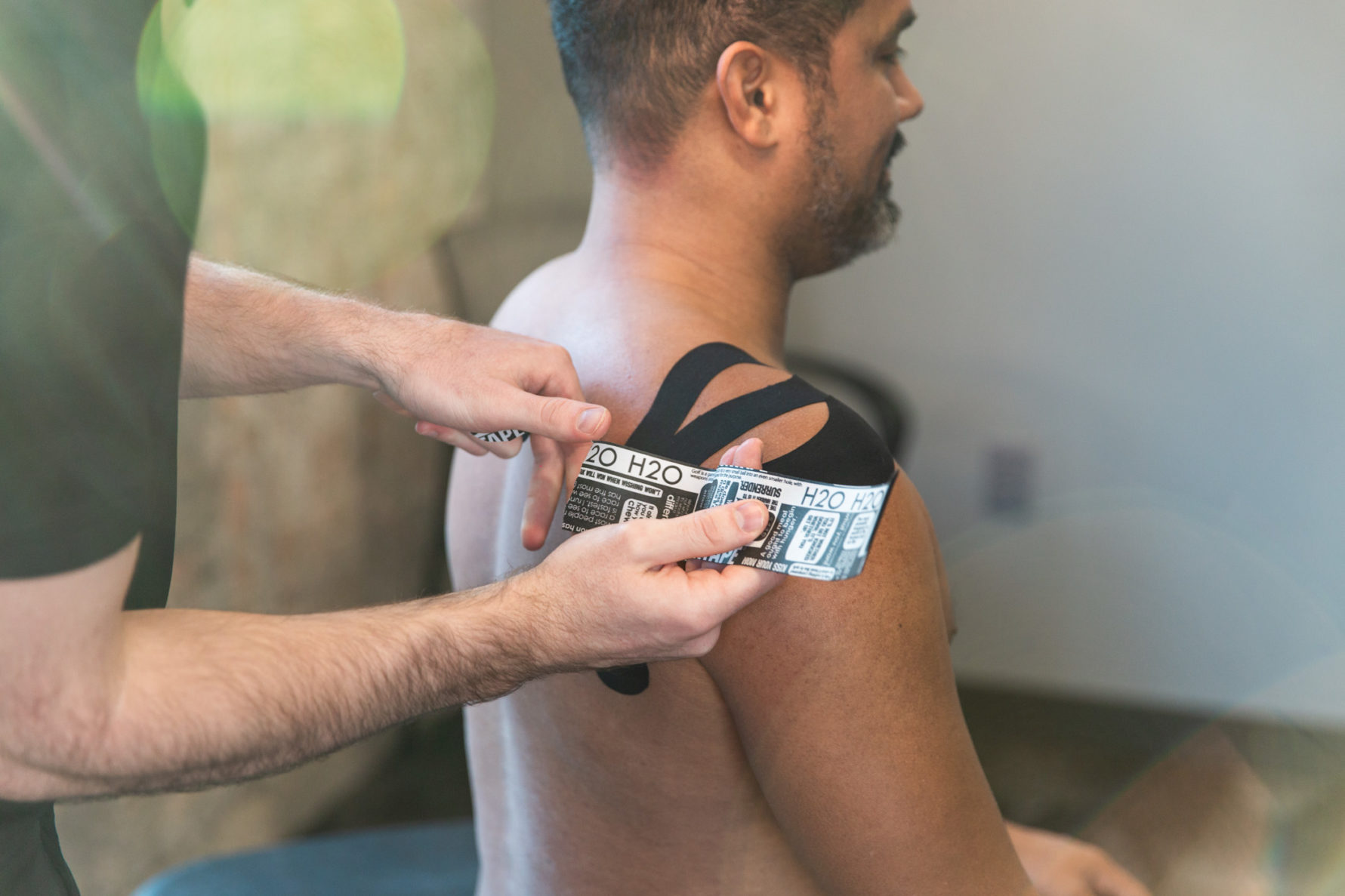
F.I.T. Muscle & Joint Clinic utilizes A.R.T. and Graston to provide soft tissue relief of pain and inflammation that develops around the rotator cuff muscles. Our chiropractic care for rotator cuff tears are highly sought in the Kansas City area.
Dry needling is also performed to decrease muscle tightness and irritation within the shoulder area. These soft tissue treatments are then complemented with rehabilitative exercises to provide lasting results.
Treatments for rotator cuff tears
For post surgical care, check out physical therapy for rotator cuff tears.
Graston Technique
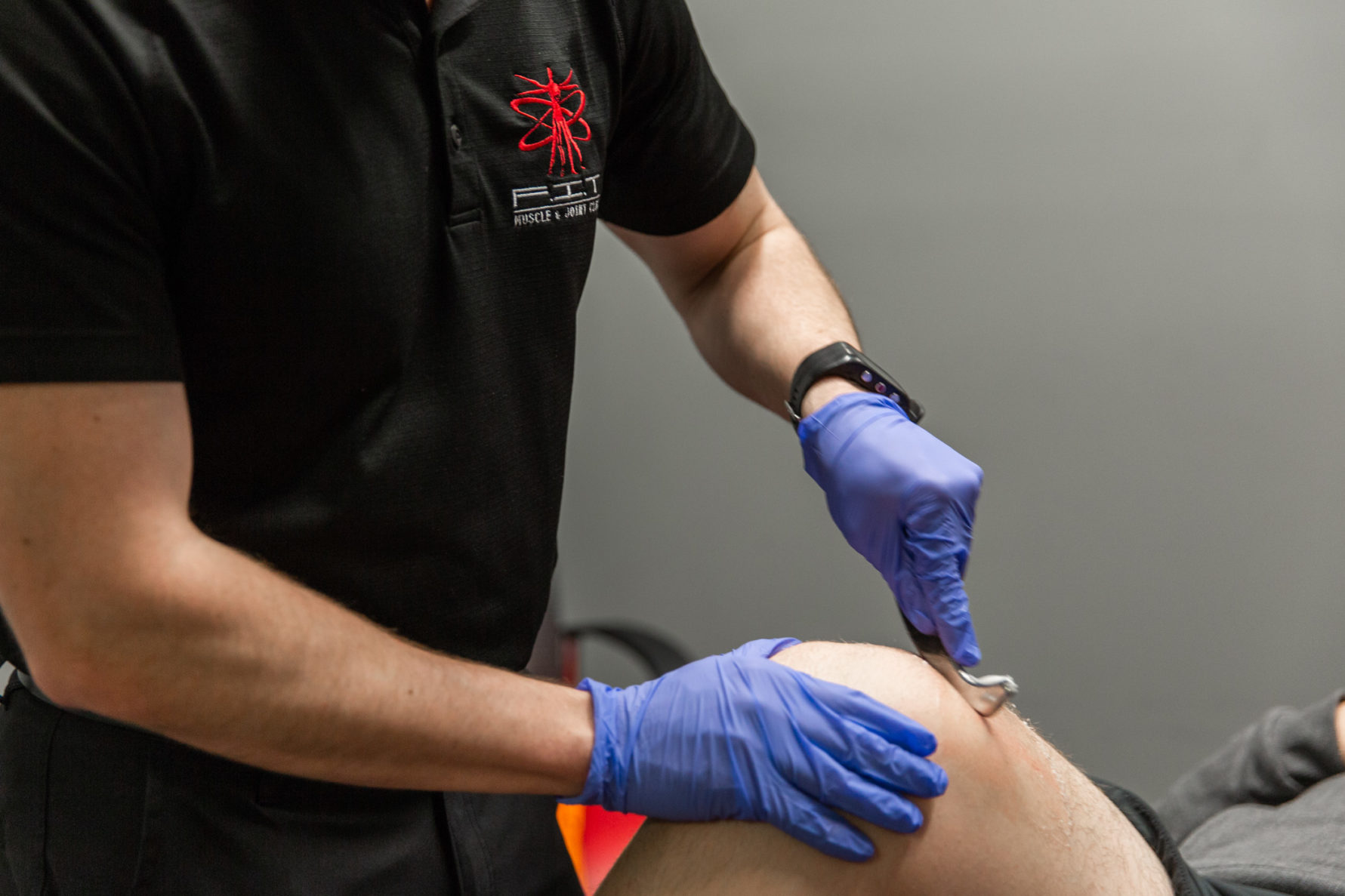
The Chiropractic Graston Technique is one of the leading instrument assisted soft tissue therapies for the treatment of muscles, tendons, ligaments, fascia, and nerves.
Learn More
Active Release Techniques
Our Active Release Technique (A.R.T.) in Kansas City is the leading soft tissue therapy to treat muscles, tendons, ligaments, fascia, and nerves.
Learn More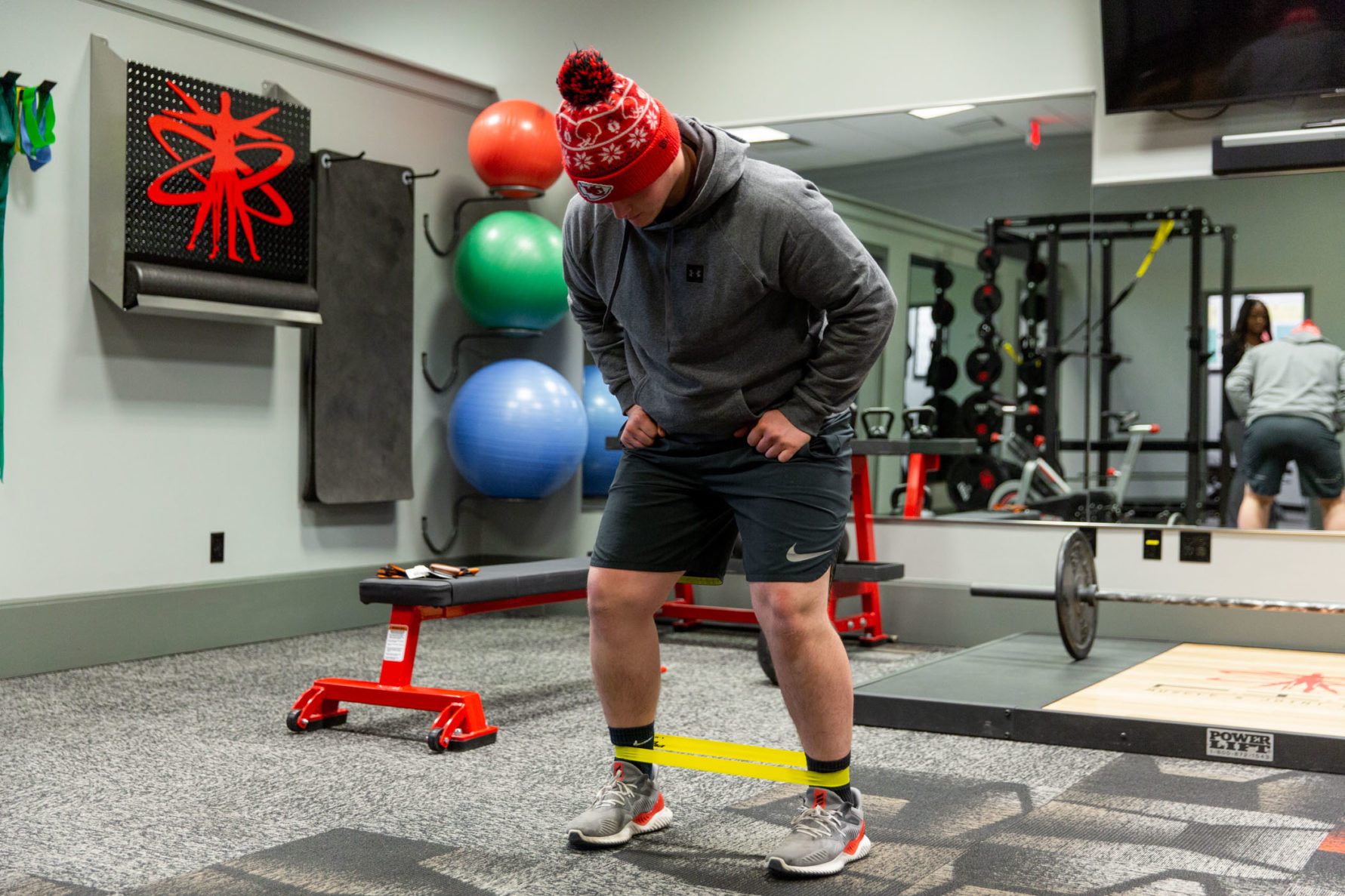
Chiropractic Rehabilitation Exercises
Our Chiropractic Rehabilitation favors quality of the exercise movement over quantity of reps as the key to restoring proper function.
Learn MoreFrequently Asked Questions
What's the process for rotator cuff recovery?
The recovery process for each individual rotator cuff tear is unique but often involves a variety of soft tissue treatments, rehabilitative exercises, and functional movements to regain strength and mobility.
Are you suffering from a tear?
Take a couple of minutes to tell us about your symptoms and pain areas. Prefer to chat over the phone? Call us for a free phone consultation.
Visit your local F.I.T. Chiropractor
Meet the team at any of our 5 locations: Lee’s Summit, Crossroads, Blue Valley, Overland Park & Shawnee.